
Did you know that brushing alone only cleans about 60% of your tooth surfaces? The rest—those spaces between teeth and along the gumline—can only be reached by flossing. Still, only about a third of Americans floss daily, while nearly one in five skip it altogether.
If you want to boost your oral hygiene and keep your smile healthy for life, learning the right way to floss is essential. This guide will break down why flossing matters, how to do it properly, common mistakes to avoid, and how Corbin Dental can help you keep your teeth and gums in top shape.
Why Flossing Shouldn’t Be Optional
You might think flossing is a “bonus” step, but dentists say it’s as important as brushing. Here’s why:
Prevent Gum Disease
Gum disease begins with plaque buildup along the gumline. If it’s not removed, it hardens into tartar, causing inflammation and, over time, serious periodontal issues and even tooth loss. Flossing cleans out plaque and food your brush can’t reach, protecting your gums from infection and inflammation.
Stop Cavities Between Teeth
Many cavities start where your toothbrush can’t go—right between the teeth. Flossing breaks up and removes hidden bacteria, helping you avoid those hard-to-treat interproximal cavities.
Support Your Overall Health
There’s a strong link between oral health and conditions like heart disease, diabetes, and stroke. The same bacteria that cause gum disease can enter your bloodstream, contributing to inflammation elsewhere in your body. By flossing, you’re helping your mouth—and your whole body—stay healthy.
Step-by-Step: How to Floss Properly
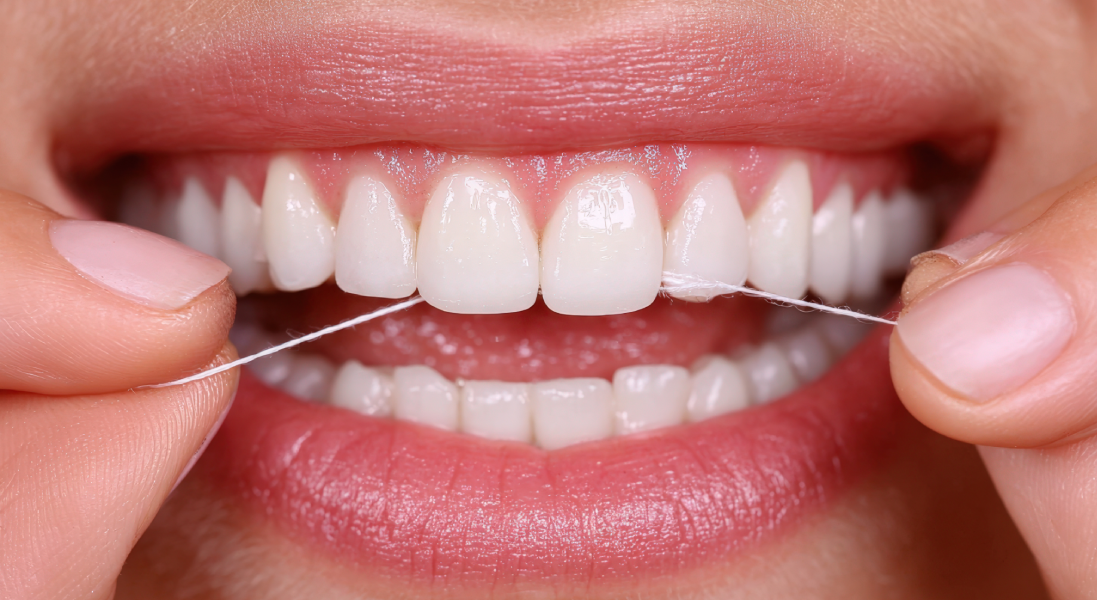
Flossing isn’t just about getting a string between your teeth. The right technique makes all the difference. Here’s how to do it:
- Use Enough Floss: Start with about 18 inches (yes, really). Wind most around your middle fingers, leaving an inch or two in the middle.
- Hold the Floss Firmly: Pinch the floss between your thumbs and index fingers, keeping it taut.
- Gently Guide It In: Use a gentle sawing motion to slide the floss between teeth. Don’t snap it down—it can hurt your gums.
- Curve the Floss: Once at the gumline, curve the floss into a C-shape around one tooth. Slide it up and down gently, going just below the gumline.
- Repeat on Each Tooth: Move to a fresh section of floss each time you change teeth, and don’t forget to floss the back sides of your molars.
Mistakes to Avoid When Flossing
Flossing the wrong way (or not at all) does more harm than good. Watch out for these common errors:
- Being Too Rough: Don’t force or snap the floss—it can damage your gums.
- Using One Section Too Long: Move to a clean bit of floss as you go to avoid spreading plaque.
- Skipping Tough Spots: Back teeth are easy to miss, but they need flossing too.
- Ignoring Technique: Just popping floss in and out misses the plaque hiding along the tooth’s curve.
- Flossing Only When Food is Stuck: Make it a daily habit—plaque builds up even if you don’t feel anything lodged.
Finding the Best Flossing Tool for You
Not every product works for everyone. Here are some helpful options:
- Traditional Floss: Waxed glides easily between tight teeth but may not remove as much plaque; unwaxed grabs plaque well but can be harder to use if your teeth are close together. Flavored versions can make flossing more enjoyable and help you stick with the habit.
- Floss Picks: Great for those with limited dexterity or on the go. Remember, they use the same piece of floss unless you switch picks.
- Water Flossers: These devices spray a steady stream of water to clean between teeth. They’re helpful for some with braces or implants and for those who struggle with string floss.
- Interdental Brushes: Ideal if you have wider spaces between teeth or have trouble using regular floss.
Making Flossing a Habit
Starting (and sticking with) a new habit isn’t always easy, but these strategies can help:
- Start Small: Floss a few teeth each day and build up.
- Pick Your Time: Floss before bed to clean out the day’s buildup.
- Keep Floss Handy: Store it in convenient places—by your sink, at work, or in your bag.
- Track Your Progress: Crossing off days on a calendar or using an app can help you stay on track.
- Be Patient: Some bleeding is normal at first. If it persists after two weeks, talk to your dentist.
When to See a Dentist
Sometimes, you need a little help beyond your daily routine. Schedule a dental visit if:
- Your gums continue to bleed after two weeks of regular flossing.
- You struggle to reach certain teeth—your dental hygienist can show you tips or recommend special tools.
- You have very crowded or widely spaced teeth that make flossing difficult.
- You notice swollen, red, or receding gums, persistent bad breath, or loose teeth—these can signal gum disease.
How Corbin Dental Can Help
At Corbin Dental, we’re not just here to fill cavities or clean your teeth—we’re your partners in prevention and healthy habits. Here’s what we offer:
- Professional Cleanings: Our team will show you where plaque collects and demonstrate effective flossing techniques for your unique mouth.
- Personalized Advice: We’ll help you find the products and techniques that work best for you, especially if traditional flossing has been a challenge.
- Preventive Care: With regular visits, we can catch cavities and gum disease early and treat them before they become major problems.
- Advanced Treatments: If you’re facing persistent gum issues, we offer therapies to get you back on track and help you maintain a healthier mouth.
Take Charge of Your Smile
Flossing is a small, daily habit with huge benefits. By cleaning between your teeth every day, you’re heading off plaque, cavities, and gum disease—and even contributing to better overall health.
If you’re ready to improve your flossing routine and overall oral hygiene, Corbin Dental is here to help. Schedule your next appointment with us and let our friendly team guide you toward your healthiest, happiest smile yet.
Your smile is worth it—start making those small changes today, and let us help you along the way!
Schedule Your Consultation
To book a consultation for any of your dental questions, contact the offices of Corbin Dental at our Bayside office at 516-604-5074 or our Oyster Bay office at 516-613-3084, or use our simple online form.