A bright, healthy smile does more than boost your self-confidence—it’s a sign of total well-being. Your teeth and gums play a vital role in how you chew, speak, and share joy with the world. While brushing and flossing at home are essential, maintaining long-lasting oral health depends on a robust preventive dentistry routine, backed by professional dental care. By staying proactive and addressing potential issues before they escalate, you can save yourself from pain, costly procedures, and possible health complications down the line.
What Does Preventive Care Involve?
Preventive dentistry focuses on keeping your mouth healthy long before problems arise. It includes consistent daily habits—like brushing, flossing, and eating well—as well as regular dental checkups and professional cleanings. But it’s more than just following a checklist; it’s about fostering a mindset of routine maintenance for your entire family.
At Corbin Dental, preventive care is tailored to each patient. We evaluate your risk for cavities, gum disease, oral cancer, and even the effects of medications or lifestyle choices. With this information, we help you create a custom plan to keep your smile strong for years to come.
The Power of Regular Checkups and Cleanings
No matter how well you brush and floss, there are spaces in your mouth only a professional can reach. Over time, cavity-causing plaque turns into hard tartar, which a toothbrush simply cannot remove. During a professional cleaning at Corbin Dental, your hygienist uses special tools to gently and thoroughly remove this stubborn buildup. This significantly lowers the risk of inflamed gums (gingivitis), the first step in gum disease.
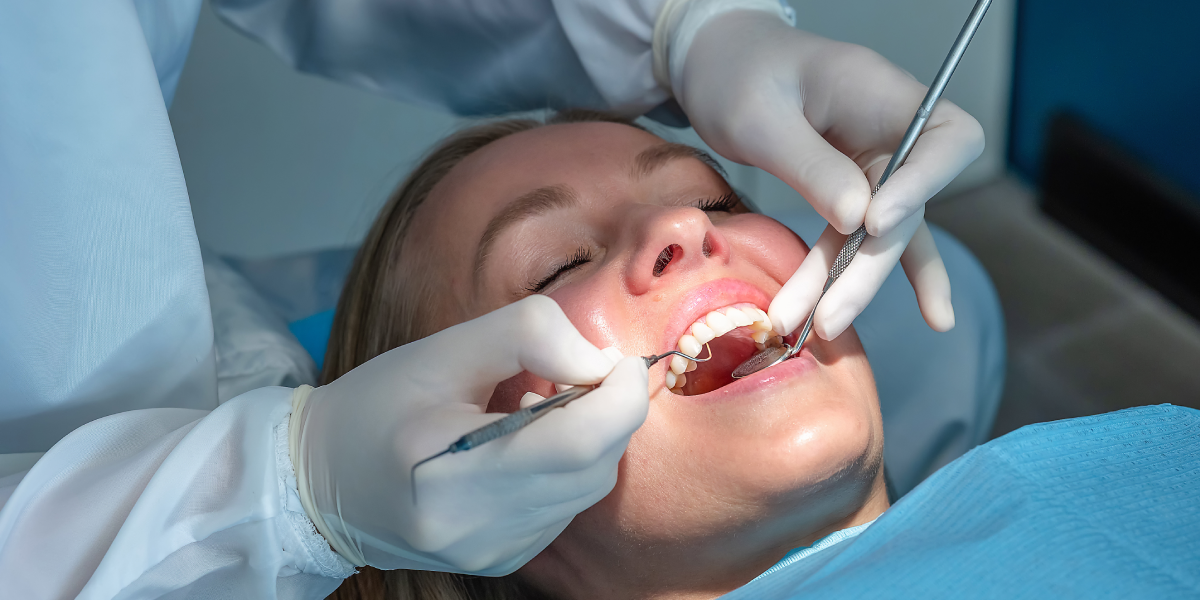
Regular checkups go beyond cleaning. Your dentist examines your entire mouth—including teeth, gums, tongue, cheeks, and jaw joint—for signs of trouble. Routine screenings catch issues like tiny cavities, early gum disease, enamel wear from grinding, and even the earliest stages of oral cancer when treatment is easiest and outcomes are best. Digital X-rays, intraoral cameras, and modern diagnostic tools let us spot even the smallest changes.
Examples of problems caught early with regular checkups:
- Small cavities that are invisible to the naked eye but show up on X-rays, fixed quickly with a tiny filling.
- Early signs of gum recession or infection, addressed with gentle periodontal care before it leads to tooth loss.
- Jaw discomfort due to teeth grinding, helped by a custom night guard before it wears down your enamel.
- Suspicious spots or sores on soft tissues, referred for timely follow-up.
Saving You Time, Money, and Discomfort
One of the biggest benefits of preventive dentistry is what you avoid: pain, stress, and major expenses. It’s much simpler and less expensive to treat a small issue early than wait until significant damage has occurred. For example, a routine exam might identify a small cavity that can be filled in a single, quick visit. If neglected, the same cavity could develop into a painful infection, requiring root canal therapy or even the loss of the tooth.
Similarly, gum disease can progress silently. In its early stage, gingivitis can be reversed with professional care and better home habits. Left untreated, it evolves into periodontitis, leading to bone loss, shifting teeth, and intensive (and costly) surgical intervention.
Preventive care means fewer unexpected emergencies, fewer missed days of work or school, and more years with your natural teeth—ultimately saving you money and discomfort.
Practical Tips for Home Oral Hygiene
The foundation of preventive dentistry begins at home. Good daily habits can make all the difference between long-term health and frequent treatments. Here’s how you can support your smile every day:
- Brush thoroughly twice a day: Use a soft-bristled toothbrush and fluoride toothpaste. Brush for at least two minutes, making sure to clean along the gumline and every tooth surface.
- Floss once daily: Flossing isn’t just for food particles—it removes plaque where your brush can’t reach. Flossing helps prevent cavities between teeth and protects your gum tissue.
- Eat a balanced diet: Limit frequent snacking, especially on sugary or acidic foods and beverages, as these can accelerate decay. Opt for crunchy fruits, raw vegetables, dairy, lean protein, and water for tooth-friendly choices.
- Maintain hydration: Drinking water, especially fluoridated tap water, rinses away debris and keeps your mouth moist, making it harder for bacteria to thrive.
- Switch out your toothbrush regularly: Replace your toothbrush at least every three months, or sooner if the bristles fray or after you’ve been ill.
- Consider dental-friendly tools: Electric toothbrushes and water flossers can be helpful, especially for those with braces, limited dexterity, or young children.
Creating a routine—like brushing right after breakfast and before bed, or flossing as you wind down in the evening—can help the whole family stay on track.
Early Detection: Addressing Problems Before They Grow
The true value of preventive dentistry lies in its ability to detect problems early—often before you even feel symptoms. This early intervention is key for:
- Cavities: Early detection means less drilling, smaller fillings, and stronger teeth.
- Gum Disease: Early-stage gum inflammation can be reversed. Regular monitoring keeps gums healthy and prevents bone loss.
- Oral Cancer: Routine screenings increase the chances of early diagnosis and successful treatment.
- Orthodontic Issues: For children and teens, early checkups allow for timely referral for braces or other interventions if needed.
Regular visits empower you with information. Your dentist can provide feedback and guide you in improving your brushing or flossing technique, recommend sealants for extra cavity protection, or discuss fluoride treatments for added strength.
The Lasting Benefits of a Preventive Approach
Taking preventive dentistry seriously has lifelong rewards—not just for your smile, but for your health and quality of life. Numerous studies link oral health to heart disease, diabetes control, pregnancy outcomes, and more. By maintaining healthy teeth and gums, you protect your entire body.
You’ll also avoid the anxiety and frustration that come with dental emergencies. Instead, you develop a relationship with your dental team, making routine visits positive, informative, and comfortable.
Partner with Corbin Dental for a Lifetime of Smiles
Maintaining excellent oral health truly is a team effort. The experienced, caring staff at Corbin Dental are committed to your family’s preventive care. We offer comprehensive exams, gentle cleanings, digital diagnostics, fluoride treatments, and personal guidance—ensuring you get all the benefits of modern preventive dentistry.
Why choose Corbin Dental?
- Decades of trusted, family-centered care in Bayside and Oyster Bay, NY
- Modern office equipped with the latest diagnostic tools
- A personalized, judgment-free approach tailored to your needs and goals
- Flexible appointment scheduling and friendly reminders so you never miss a visit
Don’t wait for problems to find you—let us help you prevent them. Connect with Corbin Dental today to schedule your checkup and experience the peace of mind that comes with proactive, preventive care. We look forward to keeping your smile healthy for a lifetime!
Schedule Your Consultation
The team at Corbin Dental in Bayside, NY and Oyster Bay, NY is here to provide the care you need — quickly, safely, and comfortably. To book a consultation for any of your dental questions, contact the offices of Corbin Dental at our Bayside office at 516-604-5074 or our Oyster Bay office at 516-613-3084, or use our simple online form.