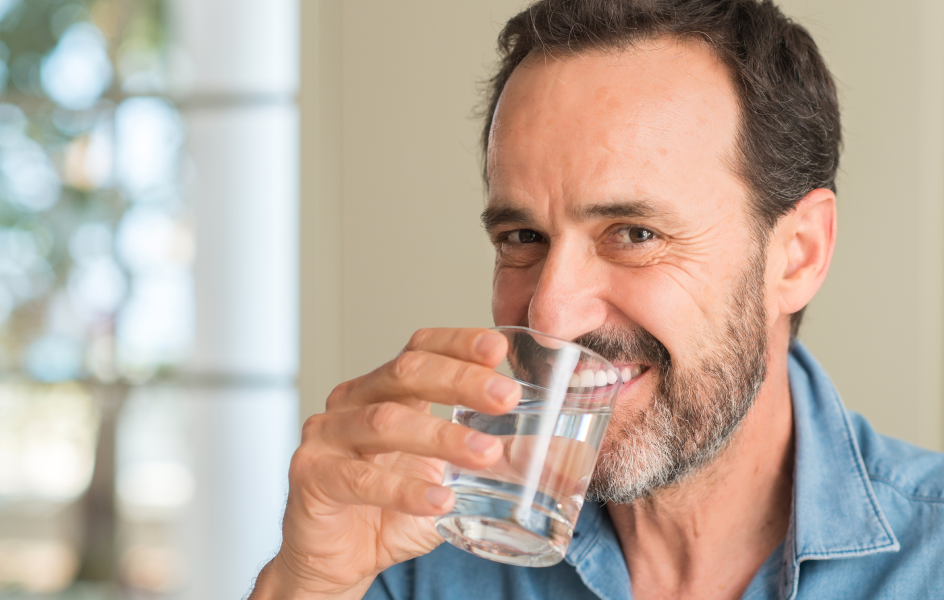
You probably know that drinking water keeps your body energized and your skin clear. But did you know that staying hydrated also plays a starring role in your dental health? Every sip you take helps protect your teeth and gums in ways you might not expect.
Hydration for oral health is one of the simplest, most affordable habits you can build. Yet many people overlook it. In this guide, you will learn how water supports saliva, fights bad breath, and lowers your risk of cavities and gum disease. We will also share easy tips for drinking more water, choosing smart beverages, and spotting the warning signs of dehydration.
Why Hydration Matters for Your Mouth
Water does more than quench your thirst. It works behind the scenes to keep your mouth clean, balanced, and healthy.
Your mouth relies on moisture to function properly. When you stay hydrated, you support a steady flow of saliva, wash away leftover food, and create an environment where harmful bacteria struggle to thrive. When you fall short on fluids, problems start to add up quickly.
Quick takeaway: A well-hydrated mouth is a well-protected mouth.
The Powerful Connection Between Water and Saliva
Saliva is your mouth’s natural defense system, and it is mostly made of water. When you stay hydrated, your body can produce enough saliva to do its important work.
Here is what healthy saliva does for you:
- Washes away food particles that feed cavity-causing bacteria
- Neutralizes acids that erode your tooth enamel
- Delivers minerals like calcium and phosphate to strengthen your teeth
- Fights bacteria that lead to gum disease and bad breath
When you do not drink enough water, saliva production drops. That leaves your teeth and gums far more vulnerable to damage. In short, no water means less saliva, and less saliva means more risk.
How Dehydration Harms Your Oral Health
When your body runs low on fluids, your mouth feels the effects first. Let’s look at the most common problems dehydration creates.
Dry Mouth
Dry mouth, also called xerostomia, happens when you do not have enough saliva. Beyond feeling uncomfortable, it leaves your teeth exposed to acids and bacteria. Certain medications, caffeine, and alcohol can make dry mouth even worse.
Bad Breath
Saliva rinses away the bacteria and food particles that cause odor. When your mouth dries out, those bacteria multiply and produce unpleasant smells. Persistent bad breath often points to a hydration problem.
Cavities and Tooth Decay
Without enough saliva to neutralize acid and wash away debris, plaque builds up faster. Over time, this raises your risk of cavities and enamel erosion.
Gum Disease
A dry, bacteria-heavy mouth irritates your gums. This can lead to inflammation, bleeding, and eventually gum disease if left unchecked.
So what? Staying hydrated isn’t just about comfort. It directly lowers your risk of painful, costly dental problems.
Signs of Dehydration That Affect Your Mouth
Your mouth often signals dehydration before the rest of your body does. Watch for these warning signs:
- A sticky, dry, or cottony feeling in your mouth
- Frequent bad breath that brushing doesn’t fix
- Cracked or dry lips
- A dry, rough tongue
- Increased thirst
- Less saliva than usual when you eat or speak
If you notice these symptoms regularly, it is time to increase your water intake and talk with your dental team.
Practical Tips to Drink More Water
Building a hydration habit is easier than you think. Try these simple strategies to keep your mouth moist and healthy throughout the day.
Start Small and Build Up
You don’t need to chug gallons all at once. Begin by adding one extra glass of water to your routine, then gradually increase from there.
- Keep a reusable bottle nearby: A bottle on your desk or in your bag reminds you to sip often.
- Set gentle reminders: Use your phone or an app to nudge you every couple of hours.
- Drink a glass with each meal: This pairs hydration with something you already do.
- Sip after waking up: Start your morning with a glass of water to rehydrate after sleep.
Make Water More Appealing
If plain water feels boring, add natural flavor without the sugar.
- Drop in slices of lemon, cucumber, or berries
- Add a sprig of fresh mint
- Try sparkling water for a little fizz
Quick win: Flavoring your water naturally helps you drink more without harming your teeth.
Choosing Tooth-Friendly Beverages
Not every drink supports your smile. Some can actually undo the benefits of good hydration. Here’s how to choose wisely.
Best choices for your teeth:
- Plain water, especially fluoridated tap water, which strengthens enamel
- Milk, which provides calcium and protein
- Unsweetened tea, which contains helpful compounds for your gums
Drinks to limit:
- Sugary sodas and energy drinks, which feed bacteria and erode enamel
- Fruit juices, which are often high in natural sugars and acids
- Sports drinks, which can be surprisingly acidic and sugary
- Excess coffee and alcohol, which can dry out your mouth
If you do enjoy these drinks, sip water alongside them and rinse your mouth afterward. Using a straw can also reduce contact with your teeth.
Common mistake to avoid: Swishing sugary or acidic drinks around your mouth gives them more time to damage your enamel.
How Hydration Fits Into Your Daily Oral Care
Drinking water works best when you pair it with strong daily habits. Together, they form a complete defense for your smile.
- Brush twice a day with fluoride toothpaste and a soft-bristled brush
- Floss daily to remove plaque between your teeth
- Drink water after meals to rinse away food particles
- Visit your dentist regularly for cleanings and checkups
Think of water as the partner that supports everything else you do for your teeth. It fills in the gaps between brushing and flossing all day long.
Keep Your Smile Healthy With Corbin Dental
Staying hydrated is one of the easiest ways to protect your oral health. Water boosts saliva, washes away bacteria, and lowers your risk of dry mouth, bad breath, cavities, and gum disease. Pair good hydration with daily brushing, flossing, and routine dental visits, and your smile will thank you for years to come.
If you struggle with persistent dry mouth or bad breath, hydration may be only part of the solution. Our caring team can identify the cause and create a personalized plan to keep your smile healthy.
Schedule Your Consultation
The team at Corbin Dental in Bayside, NY and Oyster Bay, NY is here to provide the care you need — quickly, safely, and comfortably. To book a consultation for any of your dental questions, contact the offices of Corbin Dental at our Bayside office at 516-604-5074 or our Oyster Bay office at 516-613-3084, or use our simple online form.