October is National Dental Hygiene Month, making it the perfect time to take a closer look at the habits you rely on every day to keep your smile healthy.
Most of us have been brushing our teeth for as long as we can remember, so it’s easy to assume we’re doing everything correctly. But even small mistakes in your brushing and flossing routine can make it harder to remove plaque and keep your teeth and gums healthy.
At Corbin Dental, we encourage our patients to think of good oral hygiene as more than simply brushing twice a day. How you brush and floss matters, too.
Here are some common oral hygiene mistakes—and simple ways to improve your routine.
1. Brushing Too Hard
When it comes to brushing, harder doesn’t necessarily mean cleaner.
Using too much pressure can irritate your gums and contribute to enamel wear over time. Instead, use a soft-bristled toothbrush and gentle pressure. Small, controlled movements are generally more effective than aggressive scrubbing.
If the bristles on your toothbrush quickly become flattened or frayed, that may be a sign that you’re brushing with more pressure than necessary.
2. Rushing Through Brushing
Busy morning? Tired at night? It’s easy to give your teeth a quick brush and move on with your day.
The problem is that rushing can cause you to repeatedly miss certain areas of your mouth. Aim to brush for approximately two minutes, twice a day, taking enough time to clean the front, back, and chewing surfaces of your teeth.
Try dividing your mouth into sections and spending time on each one. An electric toothbrush with a built-in timer can also make it easier to stay on track.
3. Forgetting About the Gumline
Your teeth aren’t the only part of your mouth that needs attention.
Plaque can accumulate where your teeth and gums meet, so be sure to gently brush along the gumline rather than focusing only on the visible surfaces of your teeth.
Healthy gums are an important part of a healthy smile. If you regularly notice bleeding, swelling, tenderness, or changes in your gums, schedule a dental evaluation rather than simply brushing harder.
4. Flossing Only When Something Is Stuck
Floss isn’t just for removing that stubborn piece of food between your teeth.
Cleaning between your teeth helps remove plaque and debris from areas your toothbrush can’t easily reach. Making flossing—or another dentist-recommended interdental cleaning method—a consistent part of your routine can help protect both your teeth and gums.
If traditional floss is difficult for you to use, ask your dental team about other options that may work better for your needs.
5. Using the Same Toothbrush for Too Long
Take a look at your toothbrush. Are the bristles worn, bent, or frayed?
A worn toothbrush may not clean as effectively. The American Dental Association recommends replacing your toothbrush—or the head of an electric toothbrush—about every three to four months, or sooner if the bristles become visibly worn.
Keeping an extra toothbrush or replacement head on hand can make this habit easier to remember.
6. Skipping Your Nighttime Routine
After a long day, brushing and flossing can sometimes feel like one more thing on the to-do list. But nighttime oral care is particularly important because plaque, bacteria, and food debris have accumulated throughout the day.
Make brushing before bed a non-negotiable part of your routine, and don’t forget to clean between your teeth.
Your smile will appreciate those extra few minutes.
7. Assuming Brushing and Flossing Replace Dental Visits
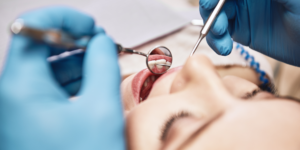
Great home care is essential, but it doesn’t replace professional dental cleanings and exams.
Regular dental visits allow your dental team to remove hardened deposits that you can’t brush away at home and look for signs of cavities, gum problems, damaged restorations, and other oral health concerns.
Finding problems early may also mean simpler treatment than waiting until something hurts.
Celebrate National Dental Hygiene Month With a Healthier Routine
National Dental Hygiene Month is a great reminder that protecting your smile doesn’t require a complicated routine. Small improvements—brushing gently, taking your time, cleaning along the gumline, flossing consistently, and keeping up with professional care—can make a meaningful difference.
And remember: you don’t have to wait until you have a toothache to visit the dentist.
At Corbin Dental, our team is here to help patients maintain healthy teeth and gums through preventive care, professional cleanings, dental exams, and personalized recommendations for at-home oral hygiene.
If it’s been a while since your last dental cleaning or checkup, October is a great time to get back on track.
Schedule Your Consultation
The team at Corbin Dental in Bayside, NY and Oyster Bay, NY is here to provide the care you need — quickly, safely, and comfortably. To book a consultation for any of your dental questions, contact the offices of Corbin Dental at our Bayside office at 516-604-5074 or our Oyster Bay office at 516-613-3084, or use our simple online form.