Losing a tooth can significantly impact your daily life. It changes how you speak, what you can comfortably eat, and how confidently you smile. Dental implants offer a remarkable, permanent solution to these frustrations. They look, feel, and function just like your natural teeth.
However, many patients run into a frustrating roadblock. During their initial consultation, a dentist might tell them they lack the necessary jawbone density to support an implant. Hearing this news can feel discouraging. You might wonder if you are entirely out of options for a permanent smile restoration.
The good news is that modern cosmetic dentistry has advanced dramatically. Lacking jawbone density does not mean you have to settle for removable dentures. We now have several highly effective methods to help patients with bone loss successfully receive dental implants.
In this guide, we will explore why jawbone density matters for your oral health. We will look at how bone loss impacts the implant process. Finally, we will break down the advanced solutions available at Corbin Dental to help you achieve the healthy, complete smile you deserve.
The Importance of Dental Implants
To understand why bone loss presents a challenge, it helps to understand why dental implants are so highly recommended. Dentists consider implants the gold standard for tooth replacement because they replicate the entire structure of a natural tooth.
Traditional dentures and dental bridges only replace the visible crown of the tooth. They sit on top of the gums and rely on neighboring teeth or adhesives for support. Dental implants take a different approach. They replace both the visible tooth and the underlying root.
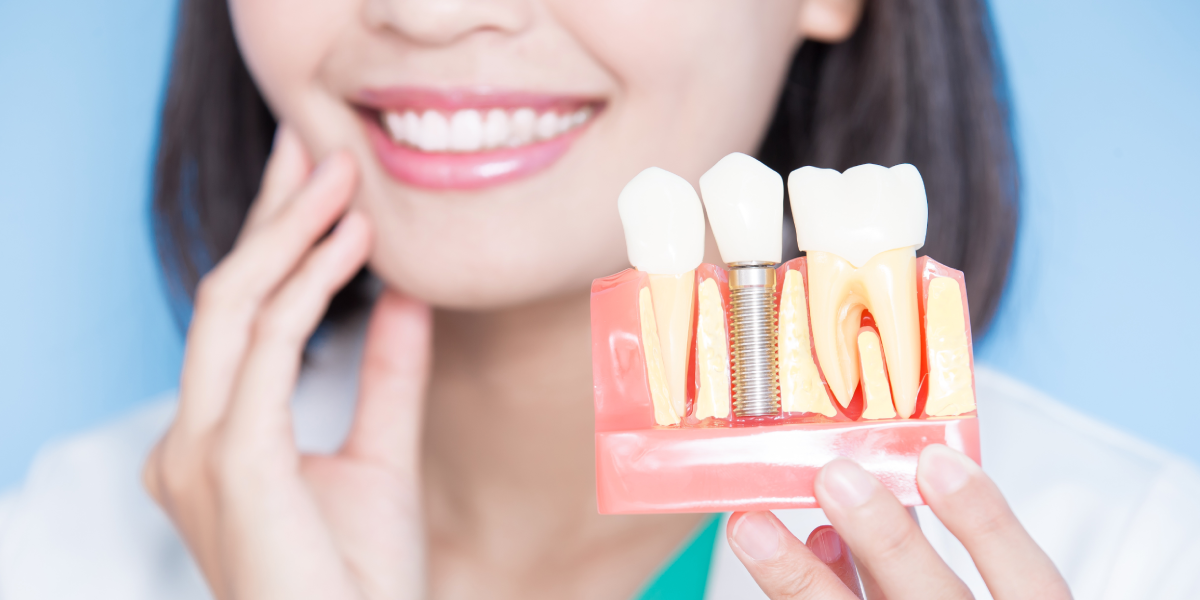
A standard implant consists of a small titanium post inserted directly into your jawbone. This post acts as a sturdy artificial root. Once it heals, your dentist attaches a custom-made crown, bridge, or denture to the top. Because the implant is securely anchored in your jaw, it offers unmatched stability. You can bite into crisp apples, chew tough foods, and speak clearly without worrying about your teeth shifting out of place.
The Link Between Missing Teeth and Bone Loss
So, why does bone loss happen in the first place? Your jawbone needs constant stimulation to stay healthy and strong. Natural tooth roots provide this essential stimulation every time you bite down or chew your food.
When you lose a tooth, that section of your jawbone loses its source of stimulation. Without it, your body assumes the bone in that area is no longer needed. The body slowly begins to resorb, or melt away, the bone tissue to use those minerals elsewhere.
This process happens faster than you might think. A significant amount of bone loss can occur within the first year of losing a tooth. Wearing traditional removable dentures can actually accelerate this process. Dentures press down on the gums and underlying bone, causing friction that wears the bone down further. Over time, this bone loss alters your facial structure, often leading to a sunken or prematurely aged appearance.
Severe gum disease, known as periodontitis, is another leading cause of jawbone deterioration. The bacteria from gum disease attack the supportive tissues and bone holding your teeth in place. If left untreated, the bone weakens, teeth become loose, and bone density drops drastically.
How Bone Loss Affects Dental Implant Placement
Dental implants rely heavily on the health and volume of your jawbone. When your dentist places the titanium post into your jaw, a critical biological process called osseointegration must take place. During osseointegration, the living bone tissue actually fuses with the surface of the titanium implant.
This fusion creates a rock-solid foundation for your new replacement teeth. It is the secret behind the incredible strength and durability of dental implants. However, successful osseointegration requires a specific amount of bone height, width, and density.
If your jawbone is too thin or too soft, the titanium post will not have enough material to anchor securely. Placing a traditional implant in weakened bone comes with a high risk of failure. The implant could become loose, shift out of place, or fall out entirely.
For many years, severe bone loss disqualified patients from receiving implants. Today, specialized techniques allow us to overcome this obstacle and restore your smile safely.
Modern Solutions for Patients with Bone Loss
If an evaluation reveals that you have jawbone deterioration, you still have excellent options. Depending on your specific anatomy and goals, your dentist might recommend one of the following advanced treatments.
Bone Grafting Procedures
Bone grafting is a highly successful procedure designed to rebuild your jawbone. If you lack the necessary foundation for a traditional implant, we can essentially grow new bone where you need it most.
During a bone grafting procedure, your dentist places bone grafting material into the weakened area of your jaw. This material acts as a scaffold. Over several months, your body deposits new bone cells around this scaffold, gradually replacing it with strong, healthy bone tissue.
There are a few different types of grafting procedures. A socket graft fills the hole left immediately after a tooth extraction, preventing bone loss from starting. A ridge augmentation expands the width or height of your jawbone to accommodate an implant. If you need upper teeth replaced, a sinus lift gently raises your sinus membrane and adds bone below it to create a thick enough base for the titanium posts.
While bone grafting adds some time to your overall treatment timeline, it creates a pristine, stable environment. Once the graft heals fully, you can move forward with standard dental implant placement with complete confidence.
The All-on-4 Implant Solution
If you need to replace an entire upper or lower arch of teeth, you might be an ideal candidate for All-on-4 dental implants. This innovative technique completely changes how we approach full smile restoration.
The All-on-4 method uses just four strategically placed implants to support a complete row of permanent, custom-crafted teeth. Instead of placing the implants straight down, the two posterior implants are tilted at a specialized 45-degree angle.
This precise angle allows the implants to anchor into the densest, strongest parts of your jawbone. By maximizing your existing bone, the All-on-4 technique often completely eliminates the need for bone grafting. You get a strong, permanent foundation even if you have experienced moderate bone loss.
The best part? The All-on-4 procedure is highly efficient. In many cases, we can place the implants and attach a fully functional temporary bridge on the exact same day. You can walk into the clinic and leave with a beautiful, complete smile.
Zygomatic Dental Implants
Some patients experience extreme bone loss in their upper jaw. When the deterioration is too severe for standard implants or traditional bone grafting, zygomatic implants offer a remarkable alternative.
Zygomatic implants are significantly longer than traditional dental implants. Instead of anchoring into the weakened bone of your upper jaw, they extend upwards and anchor directly into your zygomatic bone, commonly known as your cheekbone.
Your cheekbones are incredibly dense and do not resorb like jawbones do. This provides a highly stable, permanent anchor point for your replacement teeth. Like the All-on-4 method, zygomatic implants bypass the need for extensive upper jaw bone grafting. They allow patients with severe upper bone loss to receive permanent, fixed teeth safely and efficiently.
Trust Corbin Dental with Your Smile Restoration
Navigating tooth replacement and bone loss can feel overwhelming, but you do not have to do it alone. The right dental team makes all the difference in your comfort, safety, and final results.
At Corbin Dental, we specialize in comprehensive restorative care. We understand the physical and emotional impact of missing teeth, and we are dedicated to helping you regain your confidence. Our team uses advanced 3D imaging technology to map your jawbone structure precisely. This allows us to create a highly accurate, customized treatment plan tailored specifically to your anatomy.
Whether you need a simple bone graft, an All-on-4 restoration, or specialized implant placement, we guide you through every step. We prioritize your comfort, offering transparent pricing, flexible payment options, and modern sedation techniques to ensure a relaxing experience.
Take the Next Step Toward a Confident Smile
Do not let bone loss convince you that you have to live with uncomfortable dentures or missing teeth forever. You have powerful options available to restore your oral health and your self-esteem.
Your journey to a beautiful, permanent smile starts with a simple conversation. Our team will evaluate your needs, answer your questions, and show you exactly what is possible for your specific situation.
Schedule Your Consultation
The team at Corbin Dental in Bayside, NY and Oyster Bay, NY is here to provide the care you need — quickly, safely, and comfortably. To book a consultation for any of your dental questions, contact the offices of Corbin Dental at our Bayside office at 718-631-7051 or our Oyster Bay office at 516-922-5888, or use our simple online form.